
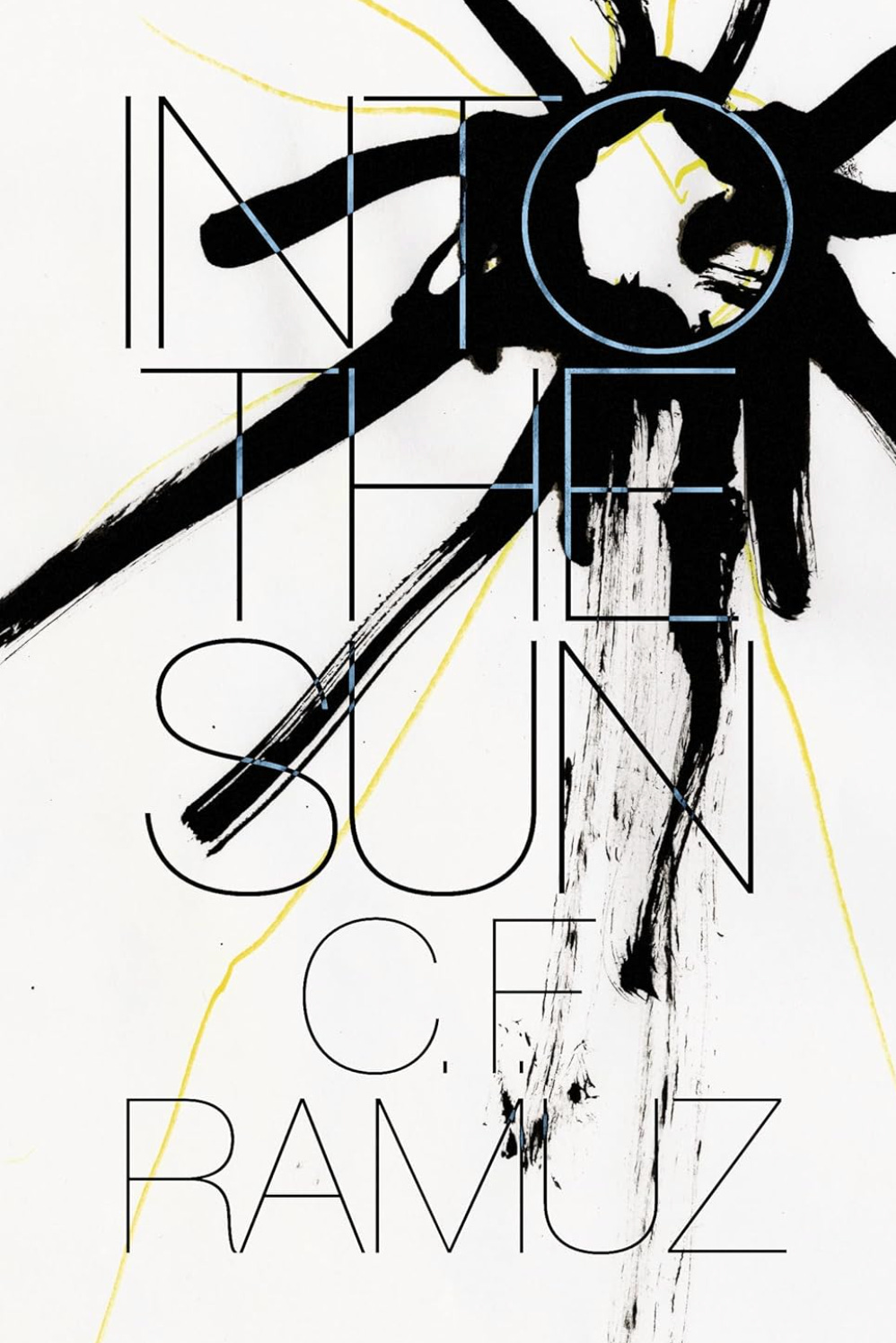
Imagine, if you will, a literary ecosystem not choking with post-apocalyptic dystopias. It is 1922. You have not been habituated to the impending horrors of environmental collapse. Panic is not your base state. Full-blown despair has yet to raise its ugly face. Ideas we now take for granted seem far-fetched to the point of straight out fantasy. If only you could see a century into the future.
Well, if his way-ahead-of-its-time novella, Into The Sun, is anything to go by, it seems that C.F. Ramuz did. In its opening pages, a slight gravitational mishap sends the Earth hurtling towards the sun. The climate begins to warm. Society crumbles. The world burns. I mean, this is Jules Verne meets Nostradamus via William Golding stuff. And it’s terrifying. Unlike many of today’s authors, Ramuz was not tied to, or otherwise in a wrestling match with, genre conventions. He could lay out his apocalyptic vision with complete creative freedom.
There are no characters, as such. No narrative arc in the traditional sense. Instead we are forced to bear witness to the absolute destruction of all we hold dear. It’s a violent slap to the fatigue-induced resignation of our collective consciousness.
Into The Sun by C.F. Ramuz (Tr. Emma Rmaman and Olivia Baes)
New Directions, 2025
134 pages